
FFS! - Hayrola?

The rhetoric between Recep Tayyip Erdoğan and Benjamin Netanyahu has once again crossed from hostility into something closer to mutual delegitimization. This is no longer the familiar choreography of diplomatic outrage. It is sharper, more personal, and more revealing—because it exposes not just a clash of policies, but a convergence of political needs.
At one level, the trigger is obvious: Gaza. Every new round of violence resets the rhetorical baseline, pushing leaders toward more extreme language. But what is striking in the latest exchanges is not simply the intensity of criticism, but its direction. Erdoğan is no longer just condemning Israeli actions; he is indicting Netanyahu himself—morally, politically, and implicitly legally. The language carries the undertone of prosecution, not protest. On the other side, Israeli responses have largely abandoned diplomatic restraint, portraying Erdoğan not as a counterpart but as an enabler of extremism—a leader whose credibility is itself in question.
This personalization is not accidental. It reflects domestic political logic on both sides. Erdoğan, facing economic strain and political fatigue at home, has long relied on external crises to reassert moral authority. Positioning himself as the most forceful defender of the Palestinians allows him to transcend domestic grievances and reclaim a leadership role in a broader Islamic political imagination. Netanyahu, for his part, operates within a different but equally constraining political landscape—one defined by coalition fragility, security pressures, and a constant need to project strength. Responding to Erdoğan in kind is not merely reactive; it is politically functional.
What is unfolding, then, is less a bilateral dispute than a mirror dynamic. Each leader is speaking past the other, addressing his own audience while using the other as a prop. The escalation is real, but its primary battlefield is not diplomatic relations—it is domestic legitimacy. In that sense, the harshness of the rhetoric is not a sign of impending conflict between Turkey and Israel, but of political consolidation within them. The latest trigger has pushed this dynamic further: an indictment prepared by prosecutors in Istanbul targeting Netanyahu and 37 Israeli officials on allegations of genocide, with the stated aim of referring the case to the International Criminal Court. By shifting the dispute into a quasi-legal register, the move raises the stakes—transforming political accusations into criminal responsibility claims.
The exchanges now extend well beyond the two leaders themselves, drawing in senior officials on both sides and widening the scope of confrontation. What began as political rhetoric is evolving into something more systemic—hardening perceptions, narrowing diplomatic space, and embedding hostility across multiple layers of the state. A chorus of Turkish officials and politicians now echoes Erdoğan’s accusations, while an equally forceful Israeli chorus has turned its fire on him. The tone has coarsened accordingly. Itamar Ben-Gvir, Israel’s Minister of National Security, escalated the rhetoric further by publicly directing a profanity-laced message at Erdoğan on social media—an episode that underscores how quickly the discourse has slipped from diplomatic confrontation into open insult. Defense Minister Israel Katz also accused Turkey of antisemitism and sham trials against Israeli political and military leadership.
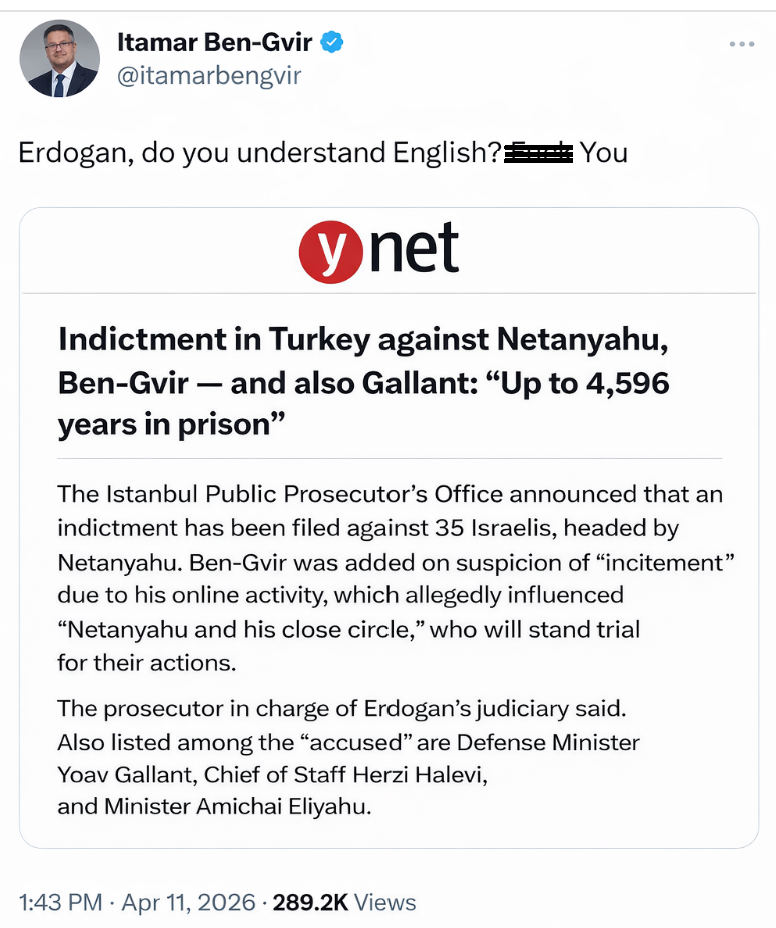
Good thing Erdoğan doesn’t understand English—but Itamar Ben-Gvir has no idea what civility or decency even mean.
Just before the American–Israeli war on Iran, a different line of argument had already begun to surface in Israel. It was not about Tehran—but about Ankara. Former prime minister Naftali Bennett gave it its clearest expression, warning that “a new Turkish threat is emerging” and going further still: “Turkey is the new Iran.” In Bennett’s telling, the threat is no longer defined primarily by ideology, as in the case of Iran, but by a more complex mix of capability and ambition. Turkey, he argued, is “sophisticated” and “dangerous,” seeking to encircle Israel through a network of regional relationships—stretching from Syria to Gaza, and reinforced by ties with Qatar and other actors. The implication is stark: unlike Iran, Turkey combines state capacity, NATO membership, and economic reach with ideological positioning—making it, in this view, a more flexible and therefore more unpredictable rival.
Yet even as Erdoğan escalated his rhetoric on Gaza, the material relationship told a more complicated story. Trade between Turkey and Israel did not collapse; it continued—often openly, sometimes quietly—beneath the surface of political confrontation. The dissonance was particularly visible in energy flows. Azerbaijani oil, routed through Turkish infrastructure, continued to reach Israel, underscoring the gap between political language and economic reality.
When the continuity of this trade became politically visible—and therefore costly—it did not necessarily stop. It adapted. Reports and claims began to circulate that some flows were being rerouted or relabeled, including through intermediaries and transit points such as the Palestine, blurring their origins and destinations. Whether through logistical reconfiguration or accounting opacity, the underlying pattern remained the same: interdependence, finding alternative channels under political pressure.
For Erdoğan, this long-standing balancing act—confrontational rhetoric paired with underlying continuity—now appears to be under strain. The political narrative still demands escalation, but the room for quiet economic pragmatism has narrowed. What had once been a managed duality is beginning to look less stable.
The shift comes after the war with Iran. That conflict did not just redraw military lines; it altered threat perceptions across the region. In Israeli strategic thinking, Turkey is no longer treated as a difficult but ultimately bounded actor. As figures like Naftali Bennett have argued, Ankara is increasingly being reframed as a systemic rival—one whose ambitions, networks, and positioning require a different kind of response. Once that conceptual shift takes hold, the tolerance for ambiguity—between rhetoric and reality—declines.
On the Turkish side, the same dynamic is visible in reverse. The space for compartmentalization is shrinking. It is becoming harder to sustain a posture in which political confrontation coexists with economic continuity without appearing inconsistent or strategically incoherent. Domestic pressures, already high, are now reinforced by a regional environment that is less forgiving of mixed signals.
On Friday, Erdoğan likened Netanyahu to Hitler.
On Saturday, Netanyahu tweeted the following:
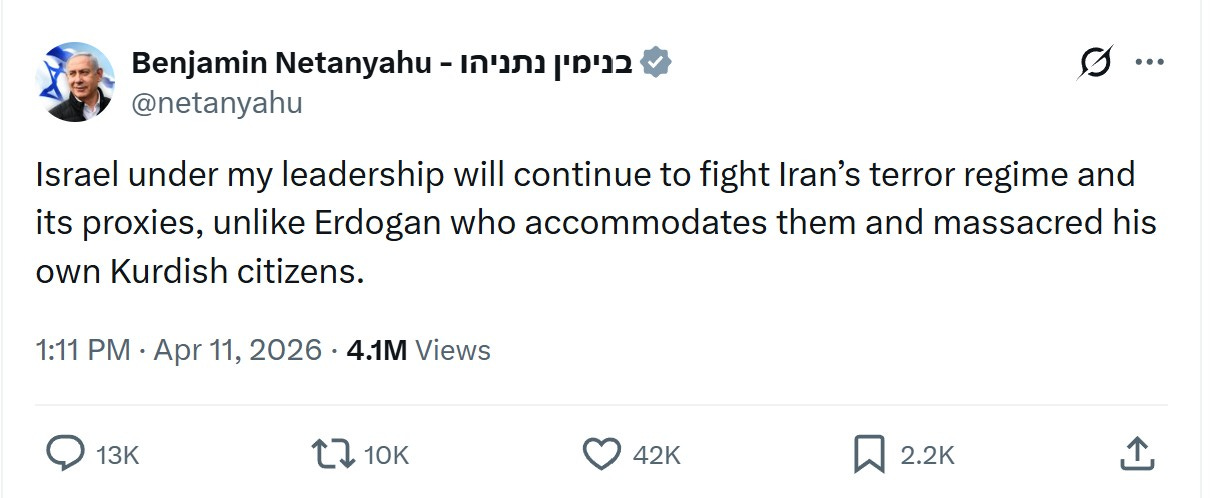
After that, Erdoğan accused Netanyahu of being “blinded by blood and hatred” at a political rally in his hometown and added, “Just as we entered Karabakh, just as we entered Libya, we will do the same to them as well. There is no reason not to do it. It will require strength and unity.”
This escalation is worrying. Netanyahu, politically weakened and facing the long shadow of corruption charges, has every incentive to shift the arena from the courtroom to the battlefield. War, in such moments, is not only a security doctrine—it is a political instrument. It compresses dissent, reframes leadership, and postpones judgment.
On the other side, Erdoğan is watching a different but equally instructive lesson unfold. The erosion of long-entrenched power—as seen in Viktor Orbán’s political trajectory—is a reminder that dominance is not permanent. In that context, time becomes the most valuable political asset. And war, or the credible threat of it, has historically been one of the most effective ways to stretch political timelines, consolidate control, and defer electoral risk.
This is what makes the current moment particularly dangerous. The incentives are not aligned toward restraint—they are aligned toward escalation.
There are, of course, constraints. NATO and its Article 5 framework, in theory, place structural limits on how far a confrontation involving Turkey could go. But institutions are only as strong as the political will behind them. With Trump running amok within NATO like a wrecking ball—openly questioning alliances and signaling a more transactional, less predictable approach—the credibility of those constraints is no longer absolute.
That uncertainty matters. Because deterrence depends not only on capabilities, but on expectations. If those expectations weaken—even slightly—the space for miscalculation expands.
And that is where the real risk lies. Not in a deliberate march toward war, but in a convergence of political incentives, eroding constraints, and hardened narratives—each reinforcing the other, until what once seemed unthinkable becomes, if not likely, then at least possible. And when leaders begin to see conflict not as a last resort but as a usable instrument, the only thing left to say is: FFS, come to your senses.
Hayrola?
Erdoğan ile Netanyahu arasındaki söylem bir kez daha sertlikten karşılıklı meşruiyet sorgulamasına evrilmiş durumda. Bu artık alışıldık diplomatik öfke koreografisi değil. Daha keskin, daha kişisel ve daha açıklayıcı—çünkü yalnızca politikaların çatışmasını değil, siyasi ihtiyaçların kesişimini de ortaya koyuyor.
İlk bakışta tetikleyici açık: Gazze. Her yeni şiddet dalgası söylemin zeminini sıfırlıyor ve liderleri daha uç ifadelere itiyor. Ancak son günlerde dikkat çeken şey yalnızca eleştirinin şiddeti değil, yönü. Erdoğan artık sadece İsrail’in eylemlerini kınamıyor; doğrudan Netanyahu’yu hedef alıyor—ahlaki, siyasi ve örtük biçimde hukuki bir dille. Bu dil protestodan çok itham, eleştiriden çok iddianame tonunda. İsrail tarafı ise diplomatik freni büyük ölçüde bırakmış durumda; Erdoğan’ı muhatap bir lider olarak değil, aşırılığı besleyen, meşruiyeti tartışmalı bir aktör olarak çerçeveliyor.
Bu kişiselleşme tesadüf değil. Her iki tarafın iç siyasi mantığının bir yansıması. Ekonomik baskı ve siyasi yorgunlukla karşı karşıya olan Erdoğan, dış krizler üzerinden ahlaki otoritesini yeniden üretme eğiliminde. Filistin meselesinde en yüksek perdeden konuşmak, hem iç kamuoyundaki hoşnutsuzluğu aşmasını sağlıyor hem de daha geniş bir İslam dünyasında liderlik iddiasını güçlendiriyor. Netanyahu ise farklı ama aynı ölçüde kısıtlayıcı bir ortamda hareket ediyor: kırılgan koalisyon dengeleri, güvenlik baskısı ve sürekli güç gösterisi ihtiyacı. Erdoğan’a aynı sertlikte karşılık vermek yalnızca refleks değil, siyasi olarak işlevsel bir tercih.
Ortaya çıkan tablo bir ikili krizden çok, aynalanan bir dinamik. Liderler birbirlerine değil, kendi kitlelerine konuşuyor; karşı taraf ise bu konuşmanın bir aracı haline geliyor. Sertleşme gerçek, ancak esas muharebe alanı diplomasi değil—iç meşruiyet. Bu açıdan bakıldığında, söylemin sertliği Türkiye ile İsrail arasında yaklaşan bir çatışmanın işareti değil, her iki ülkede de siyasi konsolidasyonun bir yansıması. Son tetikleyici bu dinamiği daha da ileri taşıdı: İstanbul Cumhuriyet Başsavcısı tarafından Netanyahu ve 37 İsrailli yetkili hakkında “soykırım” suçlamasıyla hazırlanan ve Uluslararası Ceza Mahkemesi’ne gönderilmesi hedeflenen iddianame. Bu adım, tartışmayı yarı-hukuki bir zemine taşıyarak siyasi suçlamaları cezai sorumluluk iddialarına dönüştürüyor.
Artık karşılıklı atışmalar iki liderle sınırlı değil; her iki tarafta da üst düzey yetkilileri içine alan daha geniş bir alana yayılıyor. Başlangıçta siyasi söylem olan şey, giderek daha sistematik bir karşıtlığa dönüşüyor—algıları sertleştiriyor, diplomatik alanı daraltıyor ve devletin farklı katmanlarına yayılan bir husumet yaratıyor. Türk tarafında Erdoğan’ın söylemini tekrar eden bir koro oluşurken, İsrail tarafında da benzer sertlikte bir karşı koro ortaya çıkmış durumda. Dil buna paralel olarak kabalaşıyor. İsrail Ulusal Güvenlik Bakanı Itamar Ben-Gvir’in sosyal medyada Erdoğan’a küfür içeren bir mesaj yöneltmesi, söylemin diplomatik çatışmadan açık hakarete ne kadar hızlı kaydığını gösteriyor. Savunma Bakanı Israel Katz da Türkiye’yi antisemitizmle ve “sahte yargılamalarla” suçladı
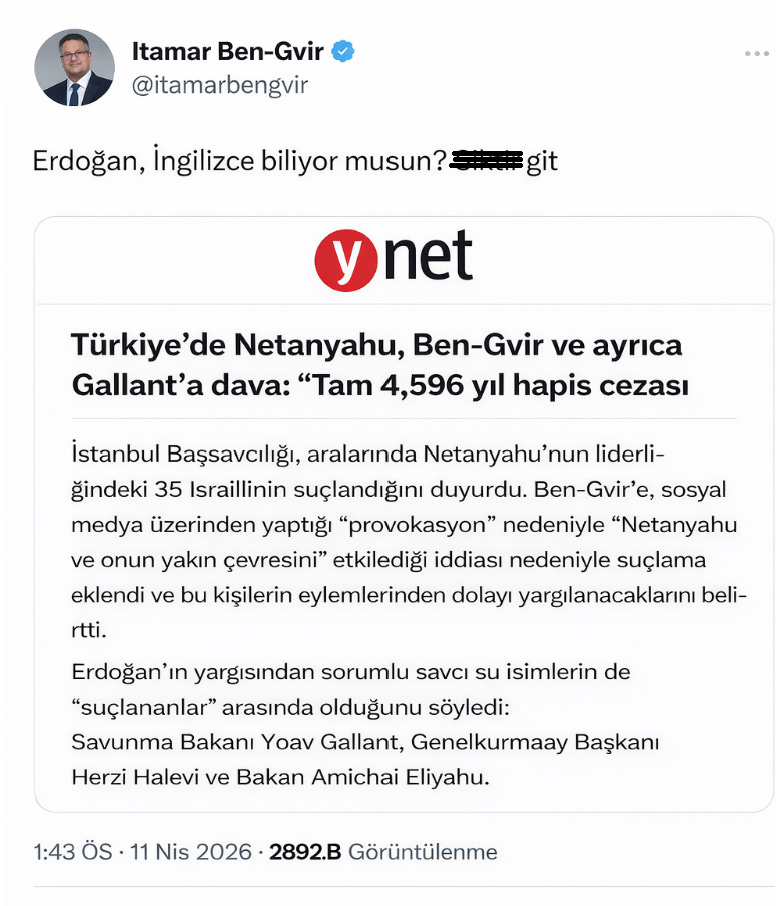
İyi ki Erdoğan İngilizce bilmiyor ama Ben-Gvir de hiç nezaket ve terbiye nedir bilmiyor.
Amerikan–İsrail’in İran’a yönelik savaşından hemen önce, İsrail’de farklı bir söylem hattı ortaya çıkmaya başlamıştı. Hedef artık Tahran değil, Ankara’ydı. Eski başbakan Naftali Bennett bunu en açık şekilde dile getirdi: “Yeni bir Türk tehdidi ortaya çıkıyor” diyerek daha da ileri gitti—“Türkiye yeni İran’dır.” Bennett’e göre tehdit artık İran’daki gibi yalnızca ideolojik değil; kapasite ve hırsın birleşiminden oluşuyor. Türkiye, Suriye’den Gazze’ye uzanan ve Katar gibi aktörlerle güçlenen bir ağ üzerinden İsrail’i çevrelemeye çalışıyor. İma açık: İran’dan farklı olarak Türkiye, devlet kapasitesini, NATO üyeliğini ve ekonomik gücünü ideolojik konumlanmayla birleştiriyor—bu da onu daha esnek ve dolayısıyla daha öngörülemez bir rakip haline getiriyor.
Ancak Erdoğan Gazze konusunda söylemini sertleştirirken, maddi gerçeklik daha karmaşık bir tablo sunuyor. Türkiye ile İsrail arasındaki ticaret çökmedi; çoğu zaman açık, bazen de sessiz biçimde siyasi gerilimin altında devam etti. Bu çelişki en net şekilde enerji akımında görüldü. Türkiye üzerinden geçen Azerbaycan petrolü İsrail’e ulaşmaya devam etti—siyasi söylem ile ekonomik gerçeklik arasındaki farkı açıkça ortaya koyarak.
Bu ticaret, sürekliliği görünür hale geldiğinde—ve dolayısıyla siyasi maliyet doğurduğunda— bile tamamen durmadı. Uyarlandı. Bazı akışların yeniden yönlendirildiği veya farklı biçimde etiketlendiği, Filistin gibi ara noktalar üzerinden geçirildiği yönünde iddialar ortaya çıktı. Lojistik düzenlemeler ya da muhasebe belirsizlikleri üzerinden, temel dinamik değişmedi: karşılıklı bağımlılık, siyasi baskı altında alternatif kanallar bulmaya devam etti.
Erdoğan açısından bu uzun süredir sürdürülen denge—yüksek sesli söylem ile alttan alta devam eden ilişkiler—artık baskı altında. Siyasi anlatı sertleşmeyi gerektiriyor, ancak ekonomik pragmatizme alan daralıyor. Yönetilen ikilik giderek daha kırılgan hale geliyor.
Bu değişim Amerika ve İsrail’in İran savaşı sonrasında belirginleşti. Bu savaş yalnızca askeri dengeleri değil, tehdit algılarını da değiştirdi. İsrail’in stratejik düşüncesinde Türkiye artık zor ama sınırlı bir aktör olarak görülmüyor. Naftali Bennett gibi isimlerin işaret ettiği üzere Ankara giderek sistemik bir rakip olarak yeniden tanımlanıyor. Bu tür bir zihinsel dönüşüm gerçekleştiğinde, söylem ile gerçeklik arasındaki gri alan daralır.
Türkiye tarafında da benzer bir süreç işliyor. Siyasi çatışma ile ekonomik sürekliliğin birlikte yürütüldüğü model giderek daha zor savunulur hale geliyor. İç baskılar, artık daha sert bir bölgesel ortamla birleşerek bu alanı daha da daraltıyor.
Cuma günü Erdoğan, Netanyahu’yu Hitler’e benzetti.
Cumartesi günü Netanyahu sosyal medyada yanıt verdi.
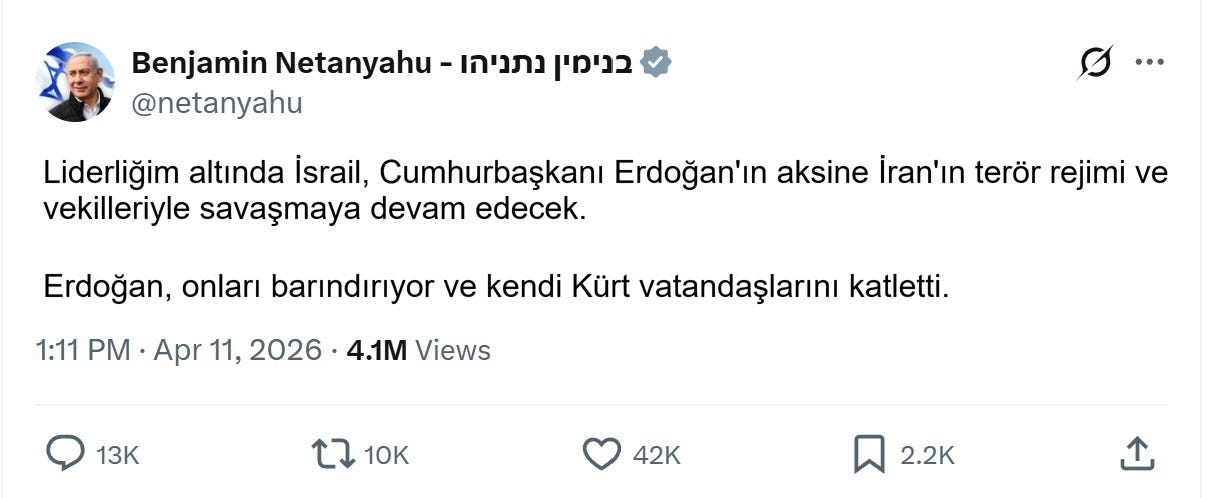
Bunun ardından Erdoğan, bir mitingde Netanyahu’nun “kan ve nefretle körleştiğini” ve “Nasıl biz Karabağ’a girdiysek, nasıl biz Libya’ya girdiysek, bunun benzerini de aynen onlara da yaparız” dedi.
Bu tırmanış endişe verici. Netanyahu, siyasi olarak zayıflamış ve yolsuzluk davalarının gölgesinde; bu nedenle gündemi mahkeme salonundan savaş alanına kaydırmak için güçlü nedenlere sahip. Bu tür anlarda savaş yalnızca güvenlik politikası değil, aynı zamanda bir siyasi araçtır. Muhalefeti bastırır, liderliği yeniden çerçeveler ve hesap verme sürecini erteler.
Diğer tarafta Erdoğan, farklı ama öğretici bir örneği izliyor. Viktor Orbán’ın siyasi seyrinde görülen güç erozyonu, hiçbir iktidarın kalıcı olmadığını hatırlatıyor. Böyle bir ortamda, zaman en değerli siyasi varlığa dönüşür. Ve savaş—ya da savaş ihtimali—zamanı uzatmanın, kontrolü pekiştirmenin ve seçim riskini ertelemenin en etkili araçlarından biridir.
İşte bu yüzden mevcut an tehlikeli. Teşvikler frenlemeye değil, tırmanmaya hizalanmış durumda.
Elbette bazı sınırlayıcı unsurlar var. NATO ve 5. Madde çerçevesi teorik olarak Türkiye’nin dahil olduğu bir çatışmanın sınırlarını belirler. Ancak kurumlar, arkasındaki siyasi irade kadar güçlüdür. Trump’ın NATO içinde adeta bir yıkım topu gibi hareket ederek ittifakları sorgulaması ve daha öngörülemez, daha işlemsel bir yaklaşım sinyali vermesi, bu sınırların mutlak olmadığını gösteriyor.
Bu belirsizlik önemlidir. Çünkü caydırıcılık yalnızca kapasiteye değil, beklentilere de dayanır. Bu beklentiler zayıfladığında yanlış hesaplama riski büyür.
Asıl tehlike de burada yatıyor. Bilinçli bir savaş kararında değil; siyasi teşviklerin, zayıflayan kısıtların ve sertleşmiş anlatıların birbirini beslediği bir noktada—bir zamanlar düşünülemez olanın, en azından mümkün hale gelmesinde.
Ve liderler çatışmayı son çare değil, kullanılabilir bir araç olarak görmeye başladığında, söylenecek tek şey kalıyor: Hayrola? Sakinleşin biraz.
NATO is increasingly a dead letter. Even in the best of times for the alliance, there was conflict between the two NATO members, Greece and Turkey (still, at the time, not Turkiye) when the junta of Greek colonels decided to invade and annex Cyprus. Meanwhile, indeed, both Erdogan and Netanyahu are massively corrupt and lead fragile coalitions which need to be kept loyal.
On the other hand, there is a logic to rivalry between regional powers which overrides personalities. Iran was until now the only major obstacle to Israeli pretensions to regional military dominance, given Iran's potential nuclear threat, its support for Hezbollah, the Palestinian cause, Assad's Syria (as long as the Assad regime was in power), and Shiite militias in Iraq and Yemen. Israel envisages the liquidation of the threat from Iran.
The regimes in Saudi Arabia and the Gulf oil sheikhdoms are allies whose power is financial rather than military, who also manipulate America for their purposes, and who may even need Israeli support if there is unrest. That leaves Turkey as the only other credible military rival in the Middle East in the longer-term.